Slicing + sashimi

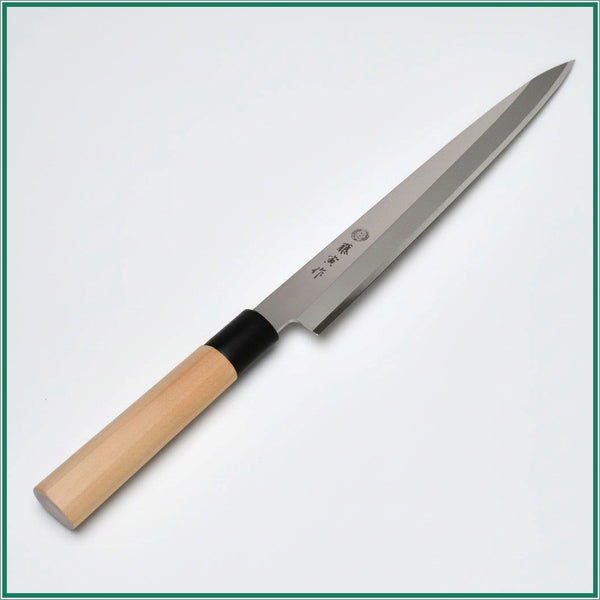
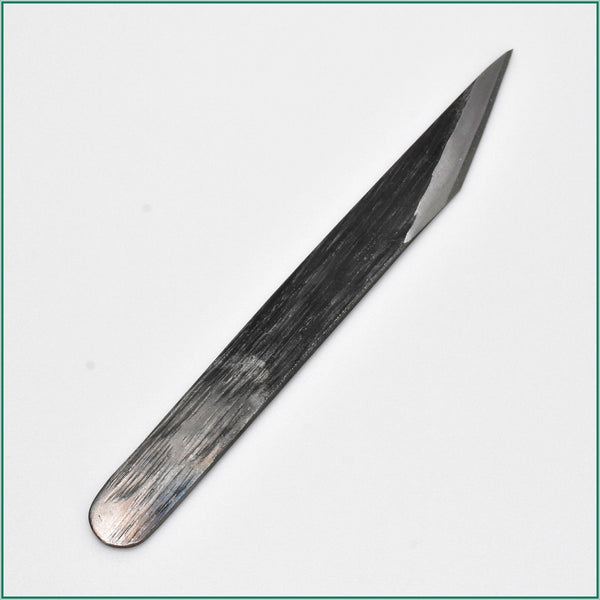
Kokushin Sujihiki 240mm

VG11 · Tsuchime damascus · 147 g

4.802,00 Kč
incl. VAT · Free EU shipping over €80
1

Only 1 left · Ships from Prague

  • Free EU shipping over €80
  • 30-day returns, no questions
The numbers that matter

The card carries everything.

Every blade on this site gets its own trading card - tier-colored, kamon-stamped, and built around the seven specs that actually predict how the knife behaves on the line. Steel. Hardness. Edge. Length. Handle. Finish. Origin.

MAGIC

KOKUSHIN SUJIHIKI 240MM

Kokushin Sujihiki 240mm
SUJIHIKI·SLICING + SASHIMI
Steel
VG11
Hardness
60-62
Edge
Double Bevel
Handle
Fine Wood
Grip
Octagonal
Finish
Tsuchime damascus
Origin
Japan
Weight
147 g
Length
240 mm
Tier
Magic

“Black-core damascus. Kokushin — the dark heart held inside the folded layers.”

KOKUSHIN SUJIHIKI 240MM

“Black-core damascus. Kokushin — the dark heart held inside the folded layers.”

Anatomy

Why this shape.

Blade length 240 mm
Sujihiki筋引

The double-bevel slicer. A yanagiba's geometry rebuilt for Western kitchens - fish, brisket, prime rib, roasts.

Long enough to draw through a roast in one pass. Narrow enough to glide between bone and meat. The closest a double-bevel knife gets to single-bevel finesse.

Sujihiki vs carving knife
Material Fine Wood
Octagonal八角

Eight flat sides give the blade vertical alignment in your grip. The dominant Japanese kitchen handle - the one professional chefs reach for first.

Ambidextrous. Comfortable in any grip style - pinch, hammer, or finger-tip. The geometry tells your hand where the edge is pointing without looking down.

Liquid error (templates/product.knife line 63): Could not find asset snippets/ssc-pdp-steel.liquid
Who it's for

The honest answer.

Where this blade earns its keep - and where it's the wrong tool.

Long proteins + sashimi-style cuts

  • +Brisket, roasts, hams
  • +Salmon side filleting
  • +Beef tenderloin + striploin
  • Veg + herbs - too long + narrow, use a gyuto

Restaurant carving station, serious roasts

  • +Bigger workspace (50cm+)
  • +Carving + portioning station
  • +Double-bevel users with good stone practice
  • Mostly veg work - wrong tool, gyuto or santoku

Pull-cut, single stroke

  • +Heel-to-tip in one pass
  • +Glides between bone + meat
  • +Light hand, blade weight does the work
  • Push-cuts + chopping - wrong direction
Care & sharpening

Four habits and it lasts a lifetime.

  1. 01

    Wash by hand

    Warm water + a soft sponge. No dishwasher, ever - the heat warps the handle and the detergent eats the edge.

  2. 02

    Dry immediately

    Wipe to bone-dry the moment it leaves the sink. Standing water is the enemy - even on stainless.

  3. 03

    Oil if storing long-term

    Stainless doesn't need daily oiling. If you're putting it away for more than a month, a thin pass of camellia oil keeps the steel happy.

    Daily use: dry and rack. No oil required.

  4. 04

    Sharpen on a stone

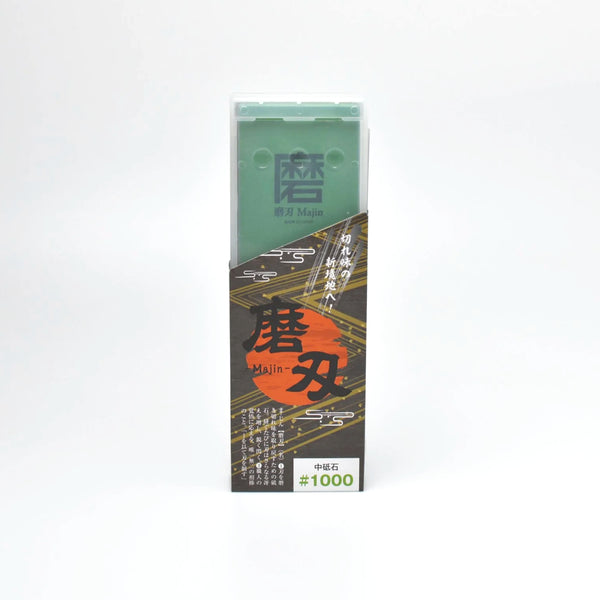
    A 1000-grit waterstone every few weeks. Stropping between for a longer life on the edge.

Goes with

Made for this knife.

A saya for storage. A stone for the edge. An oil for the steel.

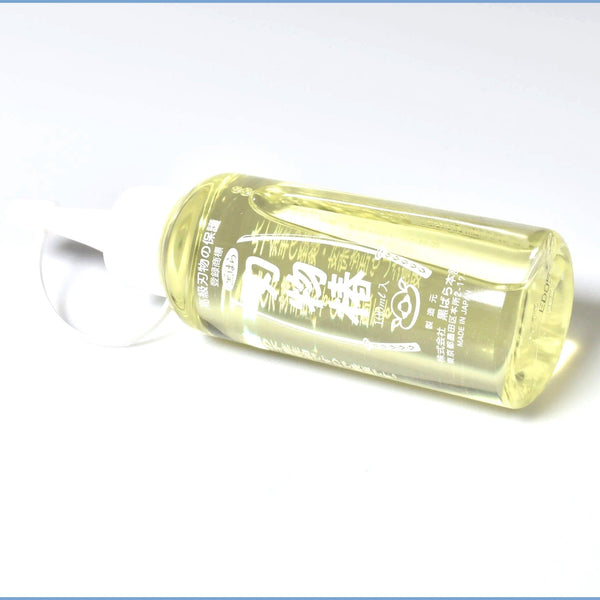
Camelia Blade Oil
Care oil

Camelia Blade Oil

Camellia (tsubaki) oil. Food-safe. A thin pass keeps the steel quiet.

369,00 Kč
A note from us

Why we picked it.

Ethan, SSC founder
Ethan
Founder · Smart Sushi Chef

“Kokushin Sujihiki 240mm is the double-bevel slicer - long-bladed, narrow-spined, built for one long pull. VG-10 holds the edge like carbon but forgives the morning sink, running at HRC 60-62. In the kitchen, that means it carves a roast or fillets a side of salmon in a single stroke without sawing. It sits in our catalog because it earns its keep on a working line, the geometry is honest, and the steel is what the maker said it is. We've held it. That's what gets a knife on this site. ”

- Ethan

Questions we get

Before you buy.

Is this knife stainless?

Yes - the chromium content in the steel passes a thin oxide layer over the surface that resists rust under normal kitchen use. You still hand-wash and dry it like any good knife (no dishwasher, no soaking), but you don't need the daily oil-wipe routine a carbon blade needs.

Can I put it in the dishwasher?

No knife you care about should go in a dishwasher. The heat warps the handle, the detergent dulls the edge, and clattering against other dishes chips the bevel. Hand-wash with warm water and a soft sponge, then dry immediately.

What does HRC 60-62 mean?

HRC stands for "Rockwell Hardness, scale C" - a measurement of how hard the steel is. Higher numbers mean the steel holds an edge longer but is also more brittle. This knife is 60-62 HRC, which is the working sweet spot for Japanese kitchen blades.

How do I sharpen it?

Use a Japanese waterstone. 1000-grit for regular sharpening, 5000-grit for finishing. Soak the stone if it needs soaking (most modern Shapton-style stones are splash-and-go), hold the blade at around a 15-degree angle to the stone (a folded coin makes a decent gauge), grind one bevel until you raise a burr along the entire edge, flip and do the other side. Finish with light alternating strokes to remove the burr. Steer clear of pull-through sharpeners - they tear the edge.

Where do you ship?

We ship from our EU warehouse in Prague. Free across the EU on orders over €80, ~3-5 business days. Outside EU: standard rates apply, customs handled at destination. Tracking on every order.

What if it doesn't feel right?

30 days, no questions asked. Ship it back, we refund. Damage from misuse (hitting bone, frozen food, dropping) isn't covered - but normal 'this isn't right for me' is. Email office@smartsushichef.com to start.