Precision + prep

Ginsan Petty 150mm

Ginsan (Silver 3) · Kasumi

7.244,00 Kč
incl. VAT · Free shipping over 2.000 Kč
1

In stock · Ships from Prague

  • Free shipping over 2.000 Kč
  • 30-day returns on unused items
Add to this knife
The numbers that matter

The card carries everything.

Every blade on this site gets its own trading card - tier-colored, kamon-stamped, and built around the seven specs that actually predict how the knife behaves on the line. Steel. Hardness. Edge. Length. Handle. Finish. Origin.

Ginsan Petty 150mm

Stainless that sharpens like carbon.

八Ebony Octagonal Handle In stock 7.244,00 Kč
Epic

Ginsan Petty 150mm
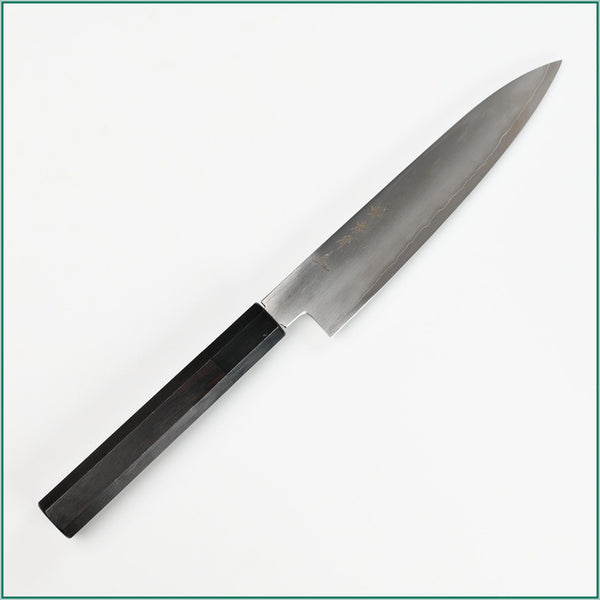
Sakai Takayuki Ginsan petty 150mm with octagonal ebony handle
Petty · Precision + prep
Steel
Ginsan (Silver 3)
Hardness
59-61
Edge
Double Bevel
Handle
Ebony
Grip
Octagonal
Finish
Kasumi
Origin
Japan
Weight
-
Length
150 mm
Tier
Epic
八Ebony Octagonal Handle7.244,00 Kč
Shape

What a petty is for.

The marked part of the edge is the part doing the work.

Ginsan Petty 150mm
1 / 3

In the hand

Off the board, it peels and trims in the hand.

2 / 3

Tip work

The narrow point works into shallots, strawberries and garlic.

3 / 3

Small slicing

It slices fruit and small vegetables on the board.

Blade length 150 mm
Edge
Double bevel

Ground on both sides, it cuts straight and suits either hand.

Handle

In the hand.

A Japanese wa handle: one piece, fitted over a hidden tang.

Handle of the Ginsan Petty 150mm, seen from the side
Cross-section
  • EbonyA hardwood dense enough to sink in water, which moves the balance toward the hand.
  • Eight flat facesThe knife cannot roll in the hand, and your fingers feel where the edge points.

Drag to turn

  • EbonyA hardwood dense enough to sink in water, which moves the balance toward the hand.
  • Eight flat facesThe knife cannot roll in the hand, and your fingers feel where the edge points.

Steel

Ginsan

59-61 HRC

Edge retention6/10
Rust resistance8/10
Toughness7/10
Ease of sharpening8/10

AUS-8, the steel of an average kitchen knife

Cladding Softer steel Core Ginsan Spine Edge
Soft cladding over a hard core Only the core reaches the cutting edge; the cladding either side supports it.
Good at
Stainless with 0.92-1.10% carbon and 13-14.5% chromium that sharpens much like white-paper carbon steel.
Watch for
Holds an edge for less time than VG-10 or the Aogami carbon steels.
In the kitchen
Used on restaurant lines where a carbon-style edge is wanted without the rust.

Use and care

What it suits and how to keep it.

Ginsan (Silver 3) is stainless, so care takes three steps.

Made for

  • Small produce

    Garlic, shallots, citrus, herbs and trimming.

  • Second knife

    Works beside a gyuto or santoku, not instead of one.

  • Tip work

    Short enough to peel and score in the hand.

Keep it sharp

  1. 01Wash by hand

    Never the dishwasher.

  2. 02Dry at once

    Standing water marks even stainless.

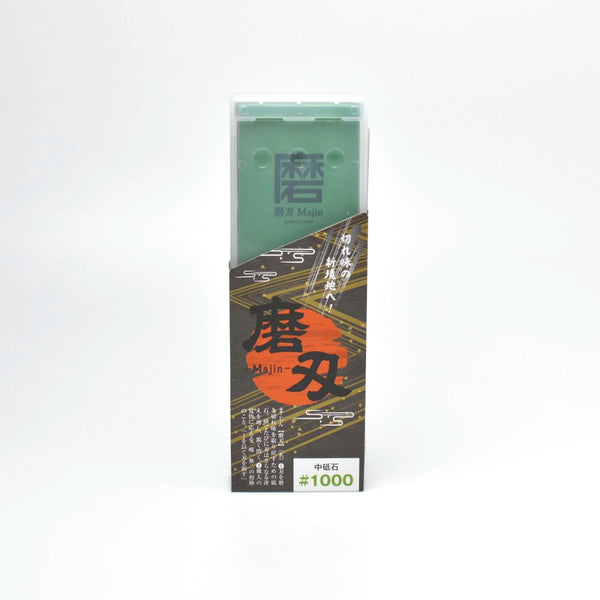
  3. 03Sharpen on a stone

    1000 grit, every few weeks.

    See the stone
Goes with

Made for this knife.

A saya for storage. A stone for the edge. An oil for the steel.

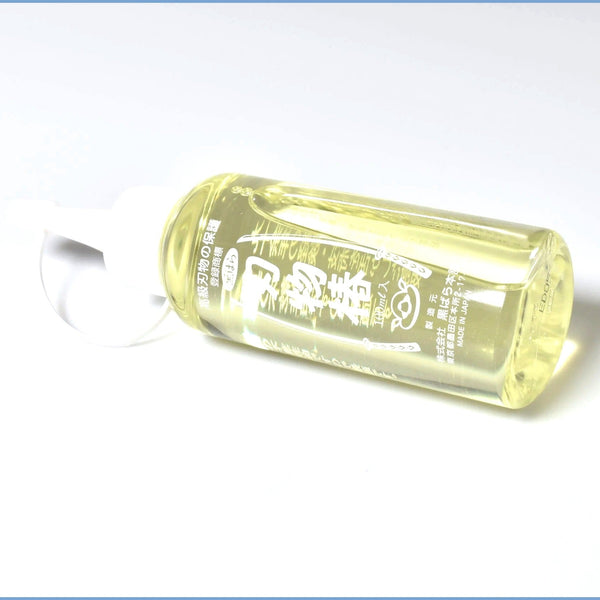
Camelia Blade Oil
Care oil

Camelia Blade Oil

Camellia (tsubaki) oil. Food-safe. A thin pass keeps the steel quiet.

248,00 Kč
A note from us

Why we picked it.

Ethan, SSC founder
Ethan
Founder · Smart Sushi Chef

“Ginsan Petty 150mm is the second-board knife - small, sharp, and faster than a paring blade. Ginsan (Silver 3) sits comfortably in the working range of a Japanese kitchen blade, running at HRC 59-61. In the kitchen, that means it lives on the trim station: shallots, citrus, herbs, anything that doesn't deserve the big knife. It sits in our catalog because it earns its keep on a working line, the geometry is honest, and the steel is what the maker said it is. We've held it. That's what gets a knife on this site. ”

- Ethan

Questions we get

Before you buy.

Is this knife stainless?

Yes - the chromium content in the steel passes a thin oxide layer over the surface that resists rust under normal kitchen use. You still hand-wash and dry it like any good knife (no dishwasher, no soaking), but you don't need the daily oil-wipe routine a carbon blade needs.

Can I put it in the dishwasher?

No knife you care about should go in a dishwasher. The heat warps the handle, the detergent dulls the edge, and clattering against other dishes chips the bevel. Hand-wash with warm water and a soft sponge, then dry immediately.

What does HRC 59-61 mean?

HRC stands for "Rockwell Hardness, scale C" - a measurement of how hard the steel is. Higher numbers mean the steel holds an edge longer but is also more brittle. This knife is 59-61 HRC, which is the working sweet spot for Japanese kitchen blades.

How do I sharpen it?

Use a Japanese waterstone. 1000-grit for regular sharpening, 5000-grit for finishing. Soak the stone if it needs soaking (most modern Shapton-style stones are splash-and-go), hold the blade at around a 15-degree angle to the stone (a folded coin makes a decent gauge), grind one bevel until you raise a burr along the entire edge, flip and do the other side. Finish with light alternating strokes to remove the burr. Steer clear of pull-through sharpeners - they tear the edge.

Where do you ship?

We ship from our EU warehouse in Prague. Free across the EU on orders over 2.000 Kč, ~3-5 business days. Outside EU: standard rates apply, customs handled at destination. Tracking on every order.

What if it doesn't feel right?

Unused items in their original condition can come back within 30 days of delivery for a full refund. Email office@smartsushichef.com first and we send you the return address. Arrived damaged or wrong? Tell us within 48 hours and we pay the return shipping.